
Spring in San Antonio is a busy time for property owners and managers. As you tackle seasonal maintenance and prepare your commercial space for the warmer months ahead, fire safety often moves to the top of the priority list. It is the perfect season to ensure your building is safe, compliant, and ready for a visit from the fire marshal. Understanding what safety inspectors look for can help you avoid common mistakes that put your property and occupants at risk.
1. Issues with Fire Extinguisher Accessibility and Maintenance
One of the most frequent citations during a fire safety inspection involves fire extinguishers. These life-saving tools are often overlooked because they sit on the wall for long periods without being used. Inspectors look for physical damage, blocked access, and expired certification tags. If an extinguisher is tucked behind a tall stack of boxes or a filing cabinet, it is considered a violation because every second counts during a fire.
To keep your equipment in top shape, check for these common physical red flags:
- The pressure gauge needle is outside of the green zone, indicating it needs a recharge.
- The safety pin is missing, or the plastic seal is broken.
- There are visible signs of rust, corrosion, or a clogged nozzle.
- The mounting bracket is loose, or the unit is sitting directly on the floor.
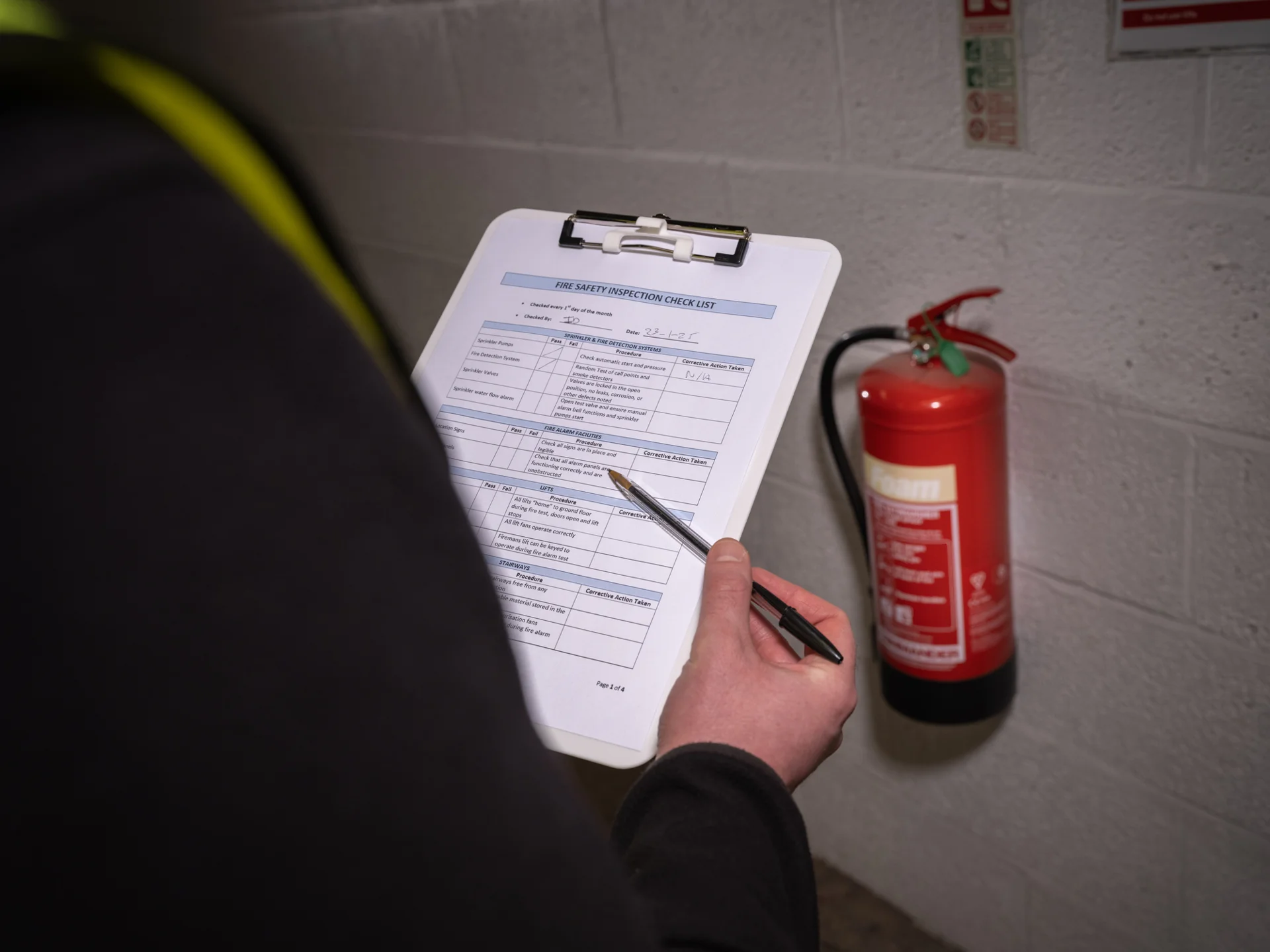
Monthly quick checks are a great habit, but the fire marshal requires documented annual inspections. If your equipment has been used or has lost pressure, you will need professional fire extinguisher services to get them back into compliance. Keeping these units visible and fully charged is one of the simplest ways to safeguard your property.
2. Blocked or Non-Functional Emergency Exit Paths
Clear exit paths are non-negotiable when it comes to life safety. During the busy spring season, it is easy for inventory or seasonal displays to pile up in hallways or near back doors. However, fire codes require that every exit remain completely unobstructed at all times. Inspectors also pay close attention to the doors themselves, ensuring they open easily without the use of a key or special knowledge.
Beyond just physical clear space, your emergency lighting plays a massive role in a safe evacuation. If the power goes out, these lights must stay on for at least 90 minutes to guide people out of the building. We often see backup batteries fail because they weren't tested regularly.
Consider these key areas when walking through your facility:
- Check that all "EXIT" signs stay illuminated when the test button is pressed.
- Ensure no deadbolt locks or chains are used on required exit doors during business hours.
- Confirm that hallways leading to exits are at least 36 to 44 inches wide, depending on your building type.
3. Storage and Electrical Hazards Near Fire Systems
How you store items in your warehouse or office can significantly impact how well your fire sprinkler systems work. Fire marshals look for the 18-inch rule, which means nothing should be stored within 18 inches of a sprinkler head. This gap allows the water to spray in the correct pattern to douse a fire. If items are stacked too high, the fire might grow out of control before the water can reach it.
Electrical issues also frequently lead to violations. Using extension cords as permanent wiring is a major red flag. Extension cords are only meant for temporary use, and plugging high-power appliances into them can cause overheating and fires.
You can lower your risk by following these safety guidelines:
- Use heavy-duty power strips with built-in circuit breakers instead of cheap extension cords.
- Maintain a clear three-foot path around all electrical panels and fire alarm systems control units.
- Keep combustible materials, like cardboard and chemicals, away from water heaters or furnaces.
4. Kitchen Fire Suppression and Ventilation Neglect
For restaurant owners, the kitchen is the highest risk area in the building. Grease buildup is a primary fuel source for commercial fires, which is why kitchen ventilation must be kept clean. Inspectors will look into the hoods and ductwork to see if grease is accumulating. If the grease is thick enough to scrape off, you are at risk for a flash fire that can spread through the entire building.
Your kitchen fire suppression system is specifically designed to handle grease fires that water can’t put out. If the nozzles are covered in heavy grease or the pull station is blocked by a prep table, the system may fail when you need it most.
5. Alarm System and Sprinkler Maintenance Records
The fire marshal doesn't just look at your equipment; they look at your paperwork. Even if your fire alarm systems look perfect, you can still receive a violation if you cannot prove they have been tested by a licensed professional. Documentation is the only way to verify that smoke detectors, pull stations, and heat sensors are communicating correctly with the main panel.
The same applies to your fire sprinkler systems. These systems require regular flow tests to ensure water moves through the pipes at the correct pressure. Without a current inspection tag and a matching report, the inspector has no way of knowing if the system will actually activate during an emergency.
Staying Code-Driven and Compliant
Keeping up with fire codes can feel overwhelming, but it is all about protecting the people and property you’ve worked hard to build. Most violations are simple mistakes that come from a lack of awareness or a busy schedule. By taking a proactive approach this spring, you can catch these issues before they turn into fines or, worse, a safety hazard. Working with a professional ensures that your building meets every local requirement with precision.
N8 Fire & Safety specializes in helping commercial and institutional clients stay ready. We offer a one-call solution for your needs, from fire safety inspections to the maintenance of fire alarm systems and fire sprinkler systems. Whether you need a simple recharge for your fire extinguishers or a full restock of first aid kit cabinets & accessories, we are here to support your San Antonio business.
Ensure your property is protected and code-compliant today by contacting our expert team via our online form or by calling (210) 899-5568.