As we enter 2026, many Texas business owners and office administrators are hearing the same phrase more often: “updated fire code requirements.” Fire safety rules do not change to create extra work—they evolve to reflect new research, past incidents, and improved ways to keep people safe. If you manage a building, oversee compliance, or support day-to-day operations, understanding what inspections are required this year is essential.
Fire safety inspections are not just about passing a checklist. They help reduce risk, protect employees and customers, and keep your business operating without unexpected interruptions.
Why Texas Fire Inspection Requirements Can Vary
Here’s an important point many business owners don’t realize: there is no single statewide checklist labeled “2026 fire inspection requirements” that applies to every Texas business. Your requirements depend on three main factors:
- Which codes your local jurisdiction has adopted – city or county fire codes may differ.
- What kind of occupancy your building has – office, retail, restaurant, warehouse, or care facility all have different rules.
- Which national standards your jurisdiction references – most rely on NFPA (National Fire Protection Association) or the International Fire Code (IFC).
Most fire inspection standards are based on guidance from organizations such as:
- The National Fire Protection Association (NFPA)
- The International Fire Code (IFC)
- The Texas State Fire Marshal’s Office (SFMO)
Local fire marshal offices and building departments enforce these codes, so the exact requirements can vary across the state of Texas. Understanding your jurisdiction’s adopted code and referenced standards is the first step toward compliance.
What “Fire Safety Inspection” Means for Texas Businesses
A fire safety inspection is a review of your building to confirm that required safety systems are present, functional, and properly maintained. Inspections are usually conducted by a fire marshal, fire inspector, or an approved third party.
Typical areas checked include:
- Fire extinguishers and suppression systems
- Fire alarms and detection equipment
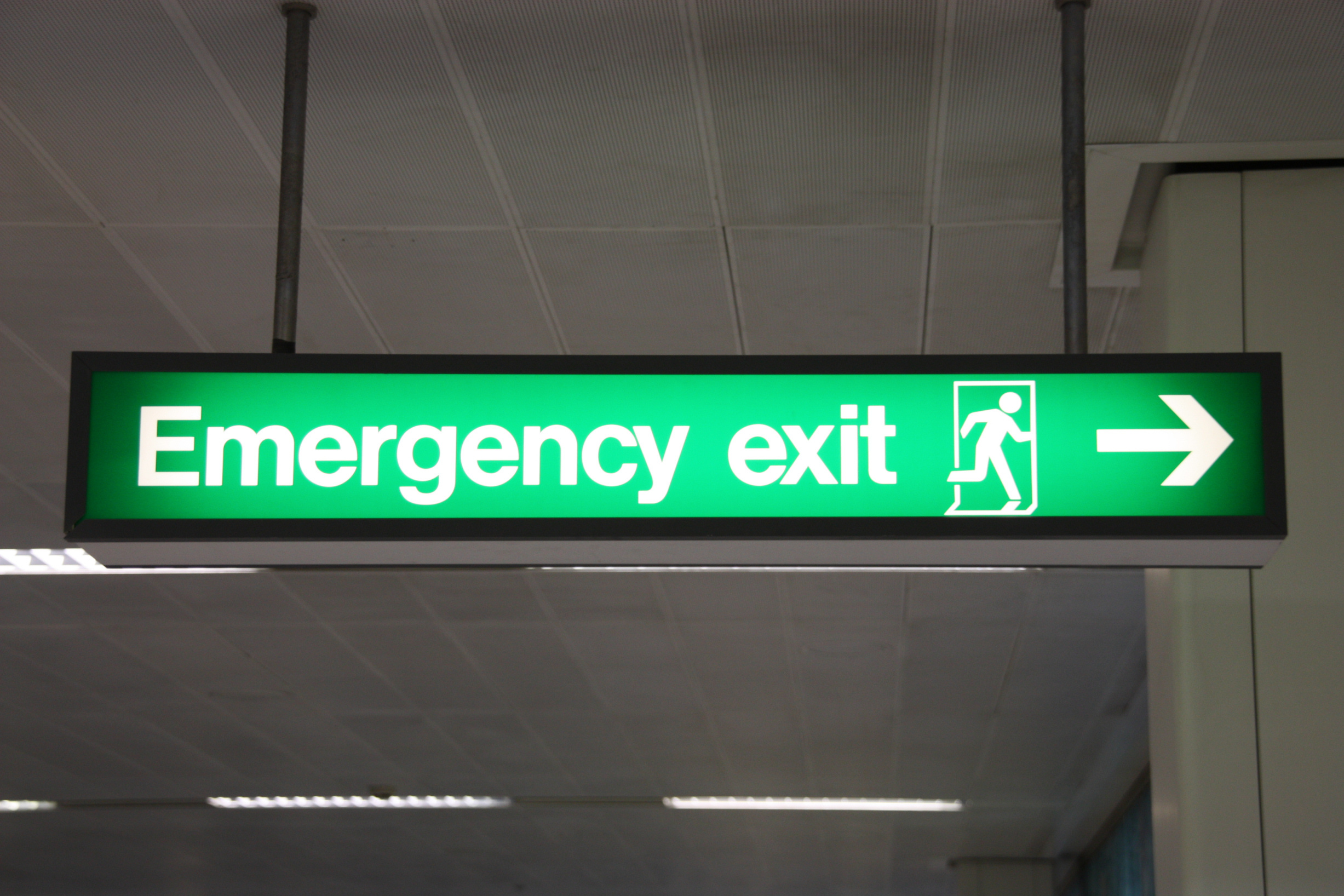
- Emergency exits and exit signage
- Electrical safety and panel access
- Storage of flammable or combustible materials
The goal is not to shut businesses down, but to identify issues early so they can be corrected before they become dangerous.
Key Fire Inspection Updates Texas Businesses May See in 2026
While exact requirements vary by city and county, many Texas jurisdictions updating their codes in 2026 are emphasizing documentation, maintenance, and exit safety.
1. Increased Focus on Inspection Records
Inspectors are now paying closer attention to proof that safety systems are serviced on schedule. Missing paperwork can be a compliance issue even if the equipment is working. Common records include:
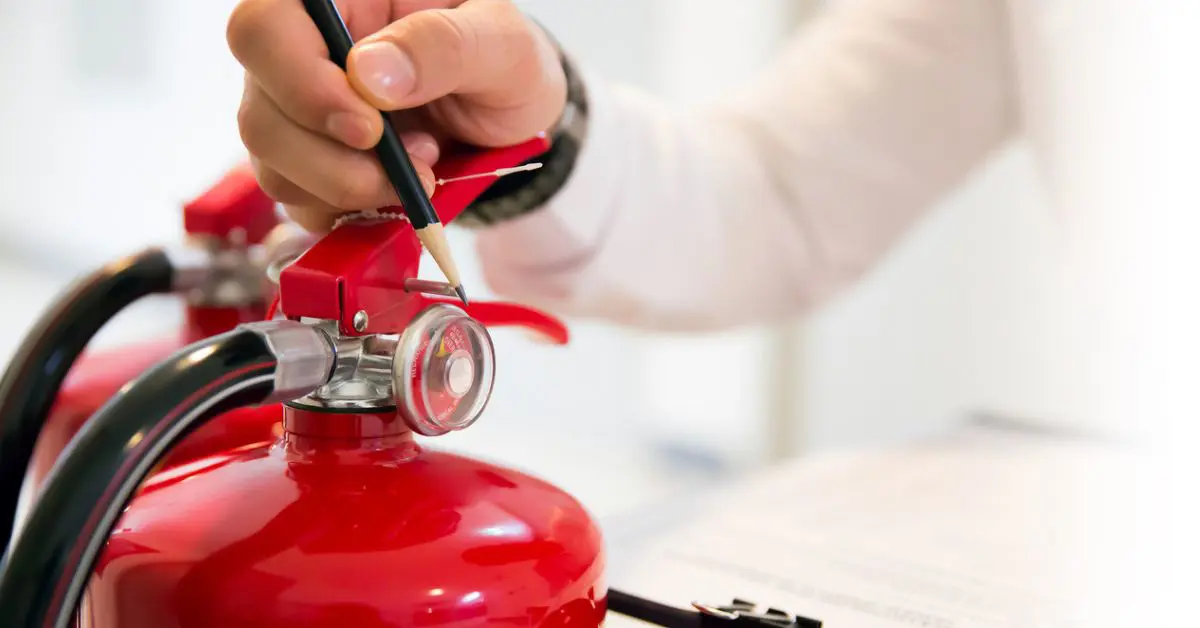
- Fire extinguisher service tags
- Alarm system testing reports
- Sprinkler inspection logs
- Emergency lighting test documentation
2. Clearer Exit Path and Occupancy Rules
Exit access remains a top priority for inspection. Inspectors often check:
- Unblocked exit doors and hallways
- Properly illuminated exit signs
- Doors that open easily without tools
- Occupancy limits are clearly posted where required
These rules are especially important in retail spaces, restaurants, warehouses, and shared office buildings.
3. Maintenance of Fire Protection Systems
Fire protection equipment must be properly maintained:
- Fire extinguishers: inspected and tagged annually
- Fire alarm systems: quarterly visual inspections; annual functional test
- Sprinkler systems: quarterly condition checks; annual testing
- Emergency lighting: monthly and annual testing
Skipping maintenance or missing documentation can lead to inspection failures.
Who Is Responsible for Fire Code Compliance?
Responsibilities can overlap:
- Business owners: day-to-day safety within their space
- Property owners: shared systems in multi-tenant buildings
- Administrators/office managers: coordinating inspections and recordkeeping
Clarifying roles early helps avoid missed deadlines.
Common Fire Safety Mistakes Texas Businesses Make
Even well-run businesses can overlook simple issues:
- Expired or missing fire extinguisher inspections
- Blocked exit doors
- Emergency lights are not working during a power loss
- Fire alarm panels showing unresolved trouble signals
These issues are usually fixable, but can delay approvals if discovered late.
How to Prepare for a Fire Safety Inspection in 2026
Preparation reduces surprises:
- Walk through your building and check exit paths
- Verify fire extinguishers are accessible and tagged
- Review inspection and service records
- Fix visible damage or missing signage
- Ask questions about local requirements
A professional pre-inspection can identify issues early.
Start 2026 with Confidence
Fire safety inspections in Texas are increasingly focused on documentation, maintenance, and clear egress paths. Rules vary by local jurisdiction and building type, so staying informed, organized, and proactive is key. Working with knowledgeable fire safety professionals ensures your business meets the right standards and keeps people safe.
Take the Next Step Toward Fire Code Readiness
If you manage a commercial property or oversee safety responsibilities, now is the time to review your fire inspection status. N8 Fire & Safety helps Texas businesses understand fire code expectations, maintain records, and prepare for inspections.
Contact us today through our online form or call (210) 899-5568 to schedule a consultation and start 2026 with clarity and confidence.