Commercial Fire Protection
Kitchen Fire Suppression in San Antonio
ANSUL and wet chemical kitchen hood suppression systems — semi-annual NFPA 17A inspection, install, and full service. We're your local expert.
Overview
Fire suppression systems in San Antonio: kitchen hood suppression, inspected and serviced
In San Antonio, a fire suppression system call is almost always a restaurant hood system: the wet-chemical system over the cook line that NFPA 17A requires to be inspected every six months. N8 Fire & Safety inspects, services, repairs, and installs those systems for restaurants, cafeterias, hotel and hospital kitchens, and food trucks across San Antonio, Live Oak, and Bexar and Guadalupe Counties, and inspects and repairs the water-based sprinkler systems that protect the rest of the building under NFPA 25.
We are a CaptiveAire Factory Certified Technician, certified for CORE and TANK system install and service, and factory-trained on Ansul R-102, the equipment in most local restaurant kitchens. Every system is serviced to NFPA 17A and NFPA 96, with installation, recharges, semi-annual inspections, and repairs, and a written report the same day.
Why Choose N8 Fire & Safety?
Your Local Experts for Restaurant Fire Suppression
- 1
System installation for new builds and retrofits
- 2
UL 300 upgrades and conversions
- 3
Bi-annual inspections and service tags
- 4
Nozzle coverage adjustments for new appliances
- 5
Tank recharging and system refills
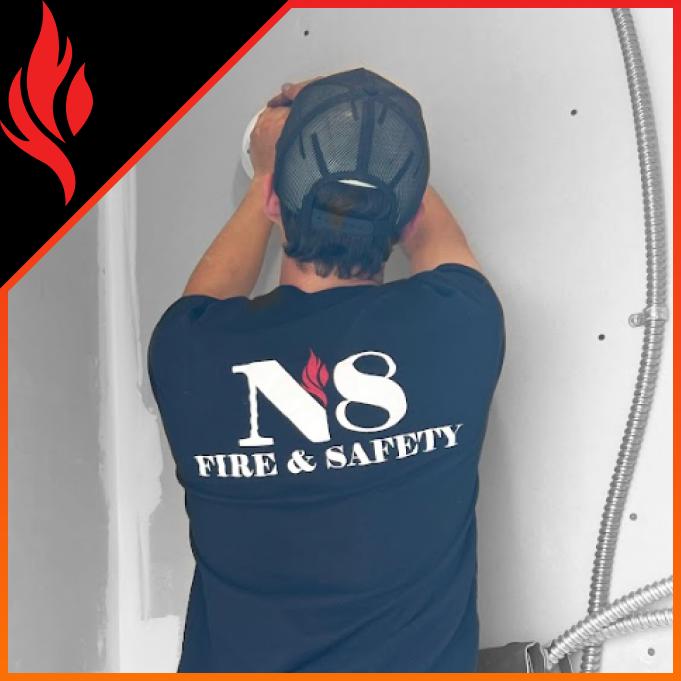
Licensed, local, and done right.
N8 Fire & Safety works with business owners, general contractors, and facility managers to make kitchen compliance easier and safer. Our team installs new UL 300-compliant systems and provides inspections for existing ones. We also handle upgrades, appliance coverage changes, and post-fire recharges when needed.
(210) 864-5698Good to know
Why Kitchen Fire Suppression Systems Are Essential
Commercial kitchens are among the highest fire-risk environments due to open flames, high temperatures, grease accumulation, and electrical equipment. Without proper fire suppression, even a small flare-up can quickly turn into a major emergency.
A kitchen suppression system detects the heat of a fire at the cook line, releases a wet-chemical agent over the appliances, and shuts off the gas and power to them, with nobody touching it. That only works when the fusible links, nozzles, cylinders, and shut-offs are serviced on schedule, which is what the semi-annual visit is for.
- Automatic fire detection and activation
- Rapid fire containment and extinguishment
- Reduced risk of property loss and downtime
- Protection for employees and guests
- Gas and power to the appliances shut off when the system fires
- Compliance with NFPA 17A, NFPA 96, UL 300, and local fire code
How it works
What to expect
- 1
We inspect
Our licensed techs assess your kitchen fire suppression against NFPA and Texas fire code — no guesswork.
- 2
We report
You get a clear written report: what passed, what needs attention, and what it costs. No upsell.
- 3
You're covered
We tag, document, and schedule your next service so nothing lapses before the fire marshal arrives.
Certified
Compliant & ready for the fire marshal.
Common questions
About kitchen fire suppression
- A
N8 Fire & Safety does, for restaurant and commercial kitchen systems. Our technicians are CaptiveAire Factory Certified for CORE and TANK systems and factory-trained on Ansul R-102, and we inspect, service, recharge, repair, and install wet-chemical hood systems across San Antonio and Bexar and Guadalupe Counties, from our San Antonio and Live Oak locations. The semi-annual visit ends with the tag on the system and a written report the same day.
- A
Our suppression work is the wet-chemical kitchen systems described on this page, and we inspect and repair the water-based fire sprinkler systems that protect the rest of a building under NFPA 25. If your building has a different hazard, such as a clean-agent system in a server room, call us and we will tell you straight whether it is our work or someone else's.
- A
Regular inspections are essential for maintaining proper system performance and legal compliance. In most cases, commercial kitchen fire suppression systems must be inspected every six months by certified professionals. During an inspection, our technicians will test system activation and pressure levels, inspect nozzles, piping, and detectors, verify fuel and power shut-offs, check manual pull stations, review documentation and service tags, and identify potential safety concerns. Routine inspections help prevent unexpected failures, reduce liability risks, and extend system lifespan.
- Test system activation and pressure levels
- Inspect nozzles, piping, and detectors
- Verify fuel and power shut-offs
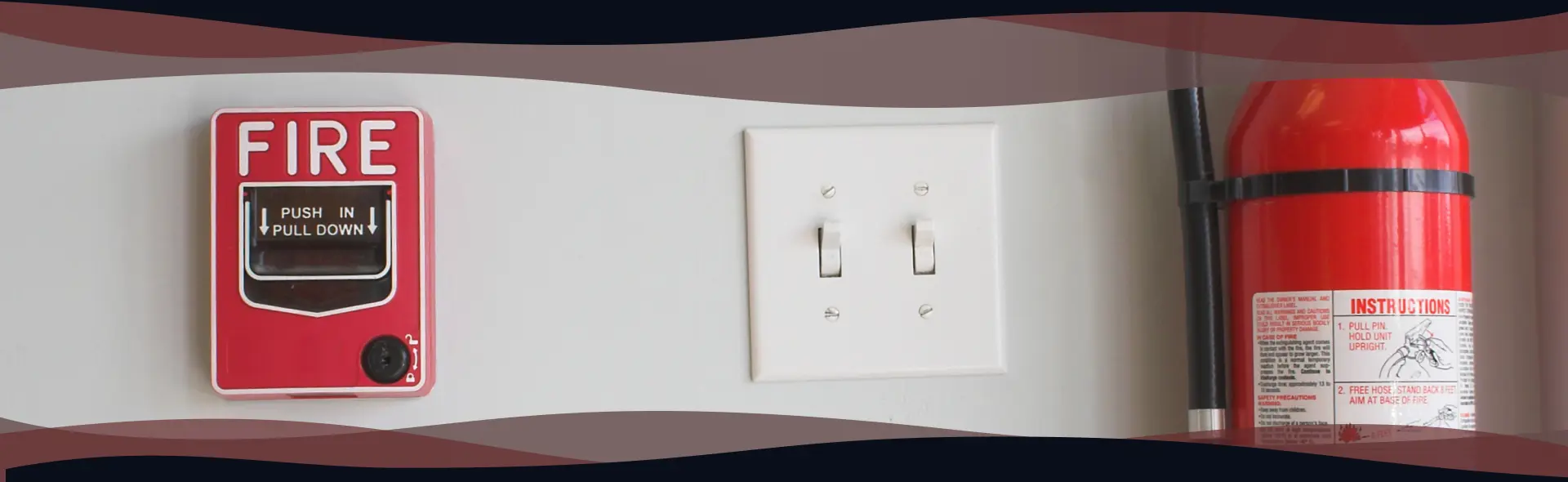
- Check manual pull stations
- Review documentation and service tags
- Identify potential safety concerns
In your city: Kitchen Fire Suppression for San Antonio Restaurants
Ready to make fire safety the easy part of running your business?
Call us or send a note. We'll schedule a walkthrough, show you what's required, and give you a clear quote — no upsell, no pressure.