You’re cooking dinner or taking a hot shower, and suddenly the fire alarm goes off, making your heart race. You rush around, waving towels at the ceiling, opening windows, trying to figure out how to turn off the fire alarm systems when there’s clearly no fire. If you’re in an apartment, it gets trickier, because the alarm might not even be in your unit. Whether you’re dealing with a rogue detector or a whole-building alarm that won’t quit, this guide will help you quiet the chaos and handle things the smart (and safe) way.
So…Why Did It Go Off in the First Place?
Let’s be honest. False alarms are annoying. But they’re also pretty common in apartment buildings. You might not even be the one who triggered it. Some of the usual suspects include:
- Steam from your shower
- Smoke from burnt toast or frying oil
- Aerosol sprays or humidifiers
- Dust buildup or old batteries
- Faulty sensors or wiring
When this happens, your first move is to make sure there’s no actual danger. Then, press the “hush” or “silence” button if your alarm has one. Open a few windows, turn on a fan, and let the air clear out. This usually stops most false alarms within a couple of minutes without needing tools.
What To Do Next: Simple Steps That Work
Let’s break down the process in a way that makes sense when your ears are ringing and your neighbors are peeking out their doors:
- Check for smoke or fire.It sounds obvious, but never assume it’s a false alarm right away. A quick scan of your unit can save lives.
- Ventilate like crazy.Open windows and doors and turn on any exhaust fans. The goal is to clear out whatever confused the detector.
- Use the “hush” button.Most alarms have one. Press it once (don’t hold it unless the label says so). If the alarm won’t stop, move to the panel if you can access it.
- Call building management. In many apartments, especially newer ones, alarms are connected to a central system. The front desk or maintenance crew usually has control over it.
- Be kind to your neighbors.If it’s just your unit, let the people next door know it’s a false alarm. This saves panic and gives you bonus neighbor points.
Let’s Talk Smoke Alarms (Because They’re Usually to Blame)
Your smoke alarm is designed to pick up even the tiniest particles. That’s great in an emergency but not when you’ve slightly overcooked dinner. Depending on the type of sensor inside, different things can trigger it:
A lot of apartment units come with the cheapest smoke detectors out there, and they’re often installed too close to the kitchen or bathroom. That’s a recipe for constant false alarms.
Should You Just Unplug It?
Look, when your alarm goes off every other day, you might be tempted to just rip the thing off the wall. People often wonder if it’s okay to disconnect the fire alarm devices that keep acting up.
Here’s the deal. It’s okay to do it temporarily if you’re about to clean it, change the battery, or swap it out. But don’t leave it off or unplugged long term. Not only is that risky, but it could also violate your lease or local fire codes.
Instead, try these safer options:
- Move it farther from the kitchen (if it’s battery-operated)
- Use a temporary smoke alarm cover while cooking
- Clean it gently with a vacuum to remove dust
- Replace it with a newer model (or request it from your landlord)
If It’s Not Just You: When the Whole Building Alarm Goes Off
This is where it gets complicated. If the hallway alarm is blaring or you hear sirens, it’s not just about your unit anymore. Many apartment buildings use shared systems that alert the whole building, even for a burnt quesadilla.
What can you do?
- Call building management or the front desk immediately
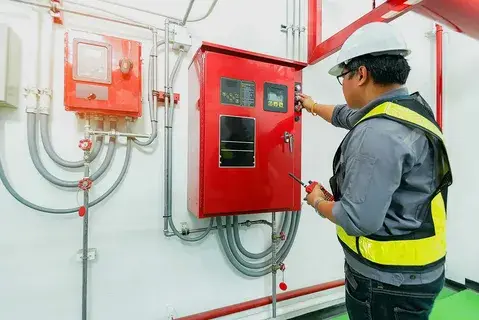
- Don’t tamper with the main fire panel since that’s usually off-limits
- Keep track of how often it happens and report it officially
- Ask the landlord to schedule a commercial fire alarm repair if it’s a recurring issue
Most of the time, these systems are hardwired, which means only certified professionals can inspect or reset them. For a building owner or manager, that check is part of an annual commercial fire safety inspection under NFPA 72.
Time for the Pros: When You Need Expert Help
When false alarms happen regularly, it’s not just frustrating, it could be a sign of deeper issues. Maybe the detectors are too old, or maybe the wiring is faulty. Either way, it’s time to call in the experts.
A licensed fire alarm company in San Antonio (or wherever you live) can do a full check-up. They’ll clean, replace, or rewire as needed and make sure the system is actually up to code.
This is especially important in older buildings where alarm systems were installed years ago and haven’t seen a technician since.
What About the Sprinklers?
Here’s something most people don’t know. A fire alarm can sometimes activate your building’s sprinkler system. And if that happens during a false alarm? That’s a disaster.
If you’re in an apartment with a fire sprinkler in San Antonio TX or elsewhere, know the signs of a potential sprinkler issue:
- Minor leaks from sprinkler heads
- Discoloration or corrosion
- Sprinklers located right above a cooking area
- Loud banging pipes (also known as water hammer)
If you see anything unusual, let your building manager know. A false alarm is annoying, but a false sprinkler discharge? That’s thousands in damage and soaked furniture.
Tips to Prevent False Alarms (Yes, It’s Possible!)
Here’s the good news. A few small habits can save you a ton of trouble down the line.
- Don’t cook with the windows closed since steam is a top trigger
- Change smoke alarm batteries once a year
- Keep detectors away from humid areas
- Clean your alarm with a vacuum twice a year
- Use smart alarms that know the difference between smoke and steam
- Test your alarms every month (most have a simple test button)
Final Thoughts: You’re Not Alone and You’ve Got Options
It’s easy to feel powerless when a fire alarm goes off for no reason, but now you’ve got a game plan. From understanding why it happens to knowing what to do in the moment, and even who to call when things keep going wrong, you’re way ahead of the average renter.
Living in an apartment comes with shared walls, shared systems, and yes, shared noise. But it also comes with shared responsibility. The more informed you are, the smoother things run for everyone.
And hey, next time the alarm goes off while you’re cooking, maybe you’ll grab a fan before the toast burns.
Frequently Asked Questions
How do I turn off a false fire alarm in my apartment?
Check first that there is no smoke or fire, then press the hush or silence button on the detector once, without holding it unless the label says to. Open windows and doors, run a fan or exhaust fan, and let the air clear. That stops most false alarms within a couple of minutes with no tools.
Why is the fire alarm going off for no reason in my apartment?
The usual triggers are steam from a shower, smoke from burnt toast or frying oil, aerosol sprays, humidifiers, dust buildup, old batteries, or faulty sensors and wiring. Many apartment units come with inexpensive detectors mounted too close to the kitchen or bathroom, which sets up constant false alarms.
Can I unplug a smoke detector that keeps going off?
Temporarily, yes, if you are cleaning it, changing the battery, or swapping the unit out. Leaving it disconnected long term is risky and can violate your lease or local fire code. Safer options are moving a battery unit farther from the kitchen, using a cover while cooking, vacuuming out the dust, or asking the landlord for a newer model.
What do I do when the whole building fire alarm goes off?
Call building management or the front desk right away. Do not tamper with the main fire panel, which is off limits to residents. Track how often it happens and report it officially, and ask the landlord to schedule a commercial fire alarm repair if it keeps recurring. Hardwired systems can only be inspected or reset by certified professionals.
How can I stop false fire alarms from happening again?
Cook with a window open, since steam is a top trigger, and keep detectors away from humid areas. Change the batteries once a year and vacuum the alarm twice a year to clear dust. Smart alarms that tell smoke from steam help, and a monthly press of the test button catches a failing unit early.