The honest answer on commercial fire alarm system installation cost: published cost guides quote anywhere from about $1 to $12 per square foot installed, and that spread is exactly why a per-square-foot number cannot price your building. The real cost is set by how many devices your occupancy requires, which system type you choose, and how hard your building makes the wiring. Here is how the number actually comes together, and how to get a quote you can hold someone to.
What Sets the Cost of a Commercial Fire Alarm System?
Five things decide most of the price:
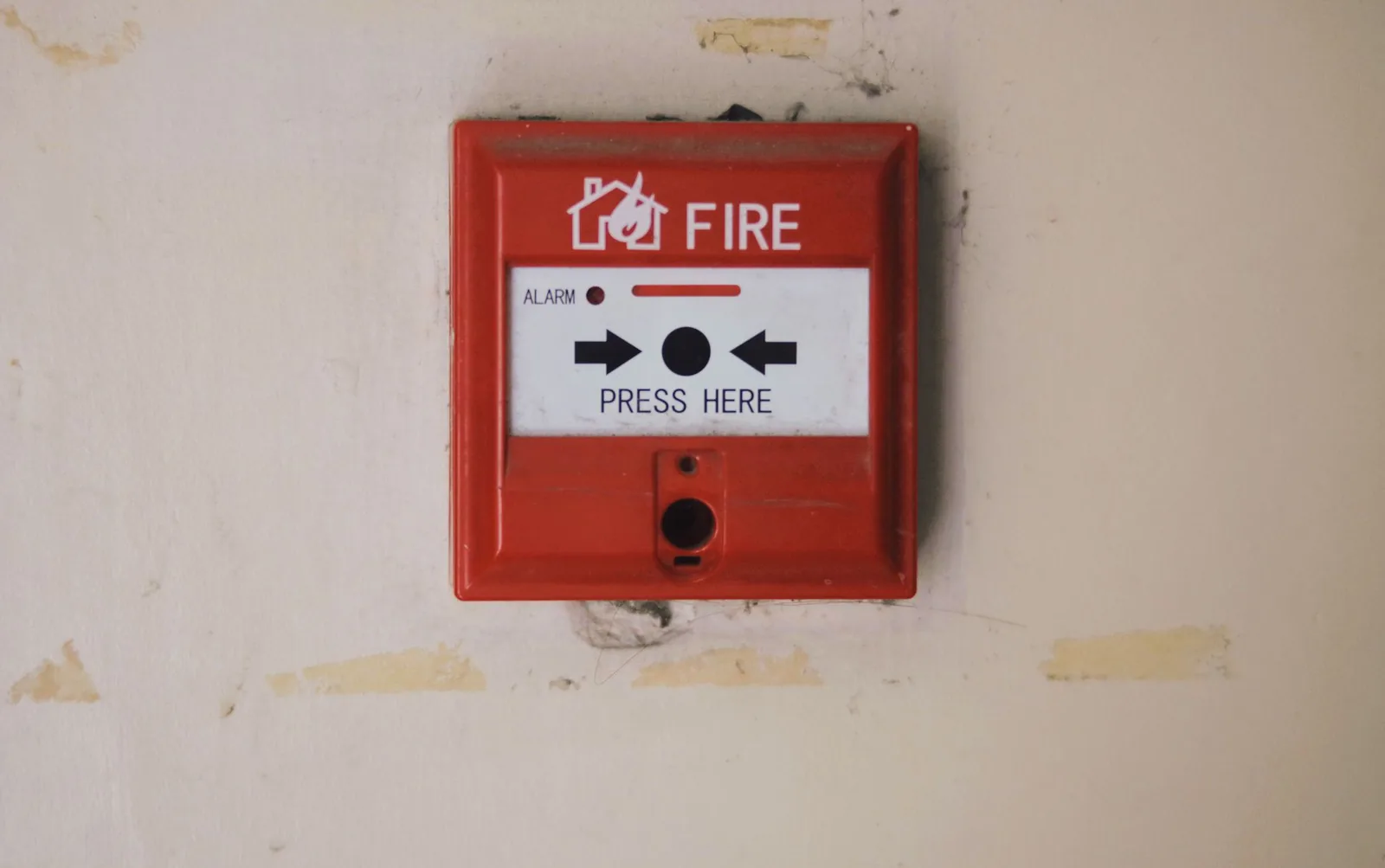
- Device count. Every pull station, smoke detector, heat detector, duct detector, and horn strobe is a line item. Code sets the minimums for your occupancy type, not preference.
- Building layout. Ceiling height, plenum spaces, concrete walls, and long cable runs all add labor. A wide-open warehouse wires differently than a medical office cut into 30 rooms.
- System type. Conventional and addressable panels price differently, and the right choice depends on building size more than budget.
- New construction or retrofit. Running wire before the drywall goes up is cheaper than fishing it through a finished, occupied building.
- What the fire marshal requires. Plan review, permits, and the acceptance test are part of the job, and local amendments can add devices you did not expect.
Monitoring is the sixth cost, but it arrives monthly instead of up front. More on that below.
Conventional vs. Addressable: What Is the Price Difference?
A conventional system groups devices into zones. When something trips, the panel tells you a zone, and someone walks the zone to find the device. It is simple, proven, and usually the economical choice for smaller buildings.
An addressable system gives every device its own identity. The panel reports the exact detector that tripped, which turns troubleshooting from a search into a walk to the right room. The devices and panel cost more up front, and the gap narrows over the life of the system because service calls are shorter, false alarm sources are pinpointed, and adding devices later is simpler.
If a proposal pushes you to addressable for a building with a dozen devices, ask why. If it pushes conventional for a building with 300, ask harder.
Devices Drive the Number More Than Square Footage
Two buildings with identical square footage can need very different device counts, which is why the per-square-foot number survives mostly in marketing copy. A 10,000 square foot open warehouse might carry a modest count of detectors and horn strobes. A 10,000 square foot assisted living facility carries far more, because the type of building determines what fire alarm coverage code requires, room by room.
When you compare quotes, compare device counts first. A cheaper total with fewer devices is not a better price. It is a different job, and the fire marshal will notice the difference at the acceptance test.
Permits, Plan Review, and Licensing in Texas
Texas regulates who may plan and install fire alarm systems. Firms and planners are licensed through the State Fire Marshal's Office under the Texas Department of Insurance, and your city's fire marshal reviews plans and witnesses the acceptance test before the system goes into service.
That process is a real part of the cost and the timeline: plan review fees, permit fees, and the coordination work of getting an inspector on site. In the San Antonio area we handle that coordination with the authority having jurisdiction, the AHJ, as part of the job. If a bid does not mention permits or plan review at all, the number is not finished.
The Costs That Come After Installation
The install is not the last check you write. Budget for two recurring items:
- Monitoring. A supervising station watches the panel around the clock and dispatches when a signal comes in. This is a monthly cost, and most occupancies are required to have it.
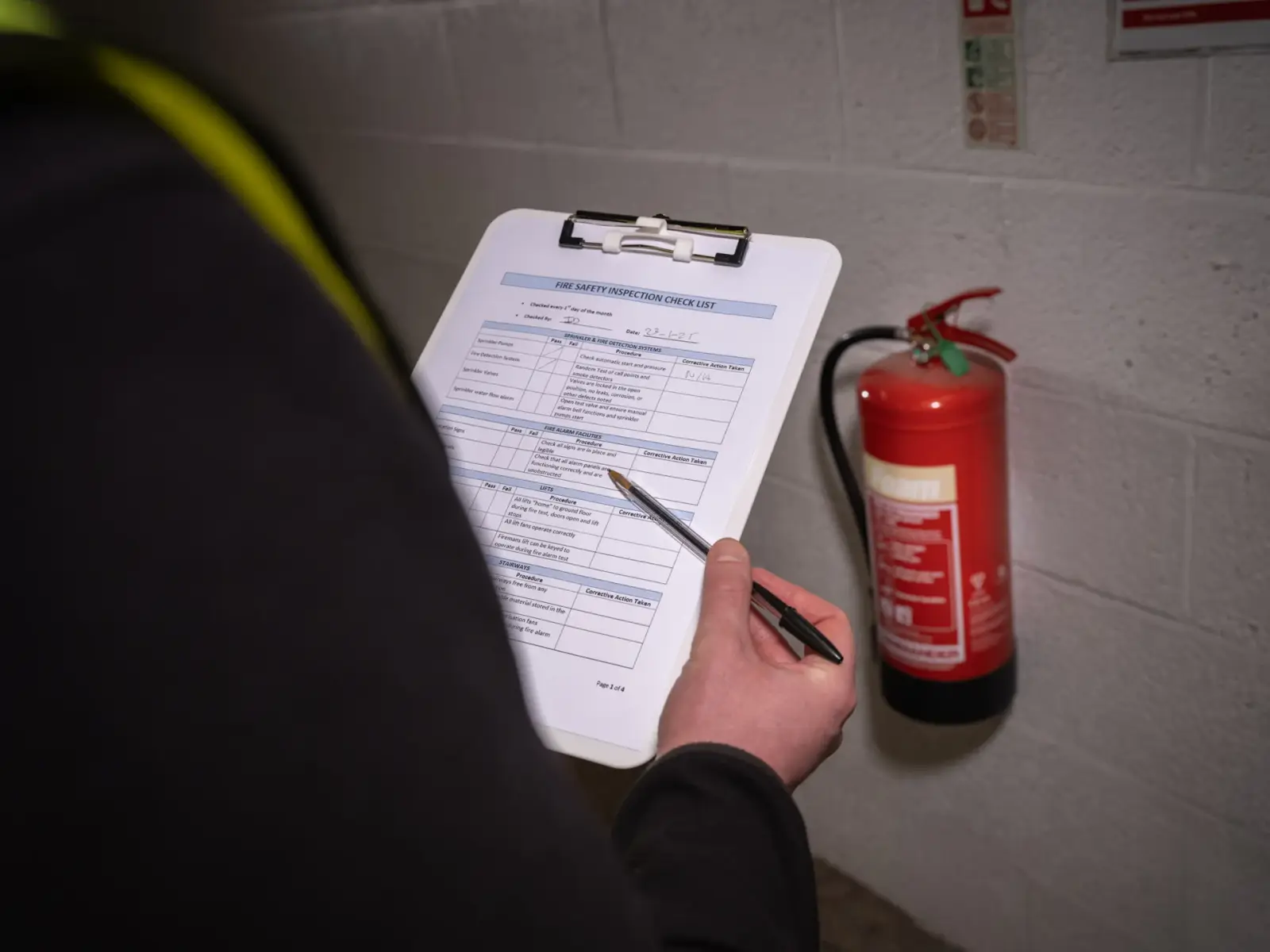
- Inspection and testing. NFPA 72, the National Fire Alarm and Signaling Code, requires the system to be inspected and tested on a schedule, with annual testing as the backbone. That is a service visit with documentation your fire marshal can ask to see.
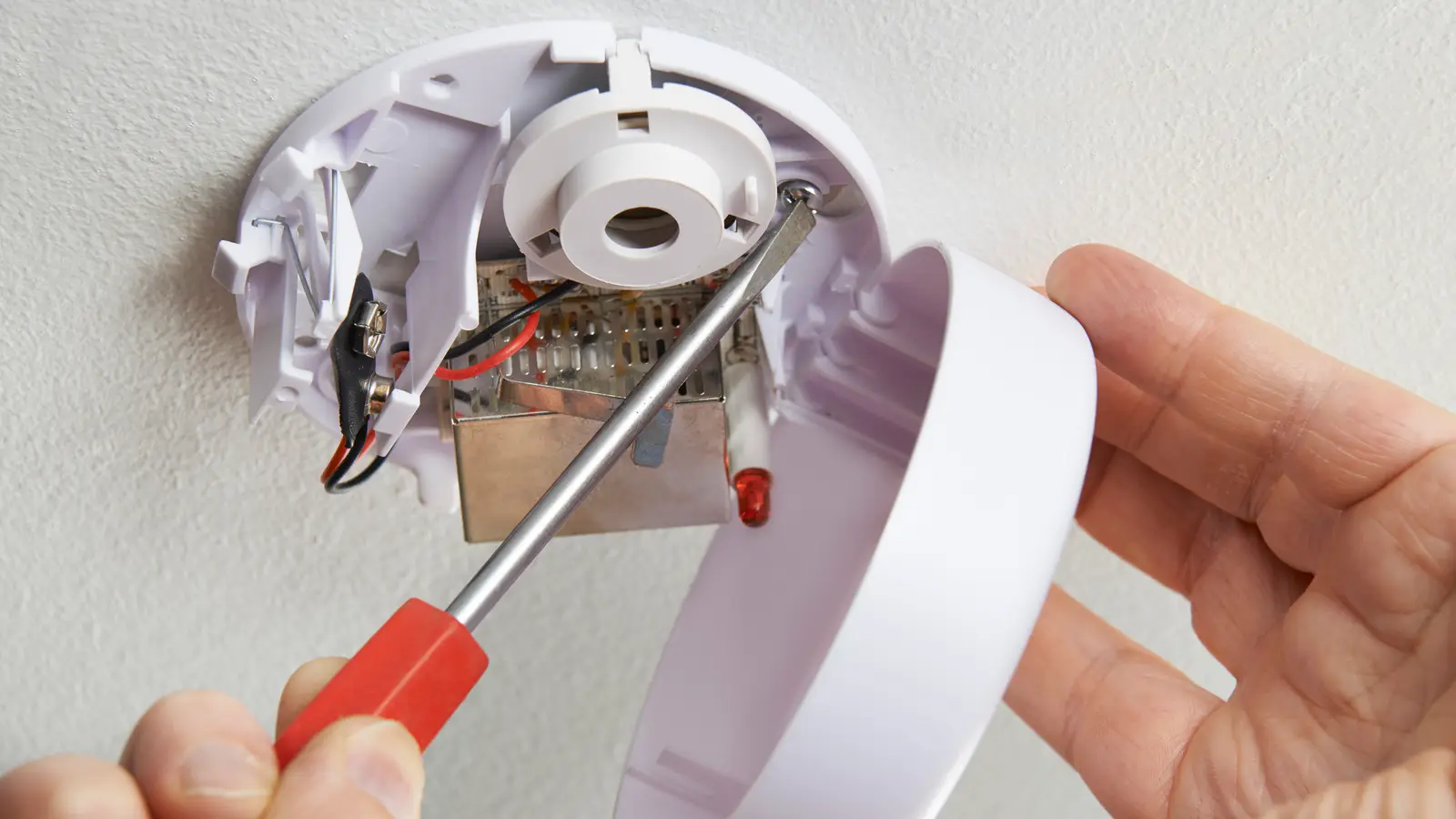
A system that is installed and then ignored fails its next inspection more often than you would think, usually over small things: a painted-over detector, a dead battery, a horn strobe blocked by new shelving. Our fire alarm inspection service exists for exactly that paperwork trail, and it pairs with the broader commercial fire safety inspections most San Antonio buildings schedule annually anyway.
When You Do Not Need a Full New System
Not every problem is a replacement. A nuisance-tripping detector, a panel showing trouble codes, or a building that grew by two rooms usually calls for repair, cleaning, or a small addition to the existing system, not a new install. Code generally forces a full upgrade only in specific situations: a change of occupancy type, a major renovation, an addition beyond what the panel can support, or an order from the AHJ.
We say this plainly because it is how we work: if a repair or a partial addition keeps you compliant, that is what we will recommend, in writing, before any work starts. Required-by-code and nice-to-have never share a line item on our reports.
How to Get a Real Number for Your Building
You can make any installer's quote sharper, and faster, by having four things ready:
- A floor plan, even a simple one
- Your occupancy type and headcount
- Ceiling heights and construction type
- The make and model of any existing panel
With those in hand, a licensed firm can produce a device-level quote instead of a square-footage guess. That is the quote worth comparing, and the one we will give you. Request an inspection or give us a call, and we will count what your building actually needs, tell you if your existing system can be saved, and put the whole number in writing before anyone touches a wire.
Frequently Asked Questions
How much does a commercial fire alarm system cost per square foot?
Published cost guides quote anywhere from about $1 to $12 per square foot installed, depending on system type and building complexity. Square footage is a rough proxy at best. Device count, wiring paths, and code requirements set the real number, which is why two buildings of identical size can be quoted very differently.
Why do addressable fire alarm systems cost more than conventional ones?
Each addressable device carries its own electronics and reports its exact location to a smarter panel, so the hardware costs more up front. In exchange, troubleshooting is faster, false alarm sources are pinpointed instead of hunted zone by zone, and future expansion is simpler. Small buildings are often served fine by conventional systems.
Does a commercial fire alarm system have to be monitored?
Most occupancies are required to have the system monitored by a supervising station, so a signal reaches responders even when the building is empty. Monitoring is a monthly recurring cost on top of installation. Your local fire marshal confirms exactly what your occupancy type requires.
How long does commercial fire alarm installation take?
Small retrofits are commonly measured in days, while large buildings and new construction run to weeks because of wiring, ceiling access, programming, and the final acceptance test with the fire marshal. Plan review and permitting add lead time before work starts, so build that into your schedule.
Who can install fire alarm systems in Texas?
Texas requires fire alarm work to be done by firms and planners licensed through the State Fire Marshal's Office under the Texas Department of Insurance. Before signing anything, ask for the license number and verify it. An unlicensed install can fail plan review and have to be redone.
What should a fire alarm installation quote include?
A quote you can trust itemizes the device count by type, the panel model, wiring and labor, permit and plan review fees, programming, and the acceptance test with the fire marshal. It should also state the workmanship warranty. If a quote is one number on one line, ask for the breakdown.