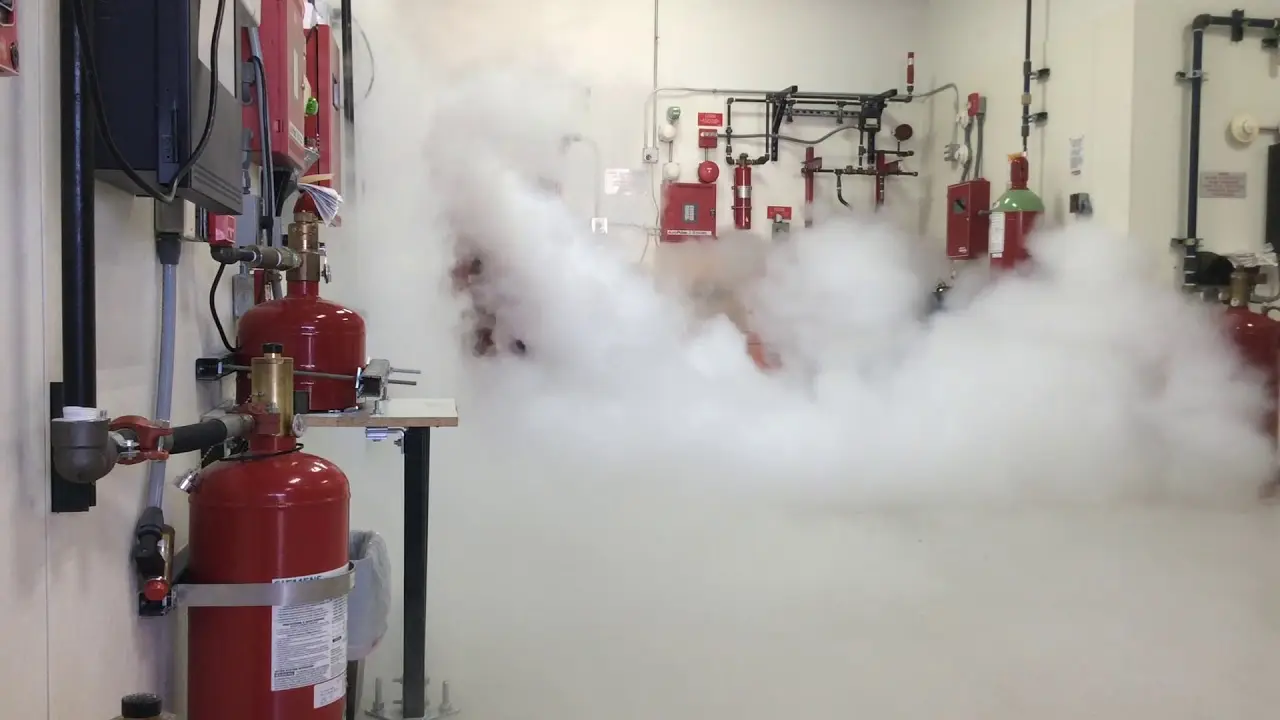
A fire suppression system is a fixed, automatic system that detects a fire and releases an agent to control or extinguish it, with nobody in the building having to do anything. Detection comes from heat, smoke, or both. The agent might be water, wet chemical, foam, inert gas, or a clean agent, and which one belongs in your building depends on what you are protecting and what the wrong choice would ruin. Here is how these systems work, the types in common commercial use, and what the fire marshal expects once one is in.
How Does a Fire Suppression System Work?
Every suppression system runs the same sequence: detect, then discharge.
Detection comes from a heat sensor, a smoke detector, or in a kitchen hood, a fusible link that melts at a set temperature. The panel or the mechanical release opens the agent, and discharge follows within seconds through nozzles, sprinkler heads, or a piped manifold aimed at the hazard.
What the agent does when it lands is where the types diverge. There are only three ways to stop a fire, and every system uses one or two of them:
- Cooling. Water and water mist pull heat out of the fire faster than the fuel can produce it.
- Smothering. CO2, inert gas, and foam displace or block the oxygen the fire needs.
- Breaking the chemical reaction. Clean agents, dry chemical, and wet chemical interrupt combustion itself.
Remove any one leg, along with the fuel, and the fire stops. That is the fire tetrahedron every suppression design is built on.
The Main Types of Fire Suppression Systems
Most commercial buildings run one of these. Larger properties run several, in different areas, for different hazards.
- Wet pipe sprinklers. Pipes stay full of water, a heat-activated head opens, and only that head flows. The most common system in offices, retail, and apartments, and the simplest to maintain.
- Dry pipe sprinklers. Pipes hold pressurized air until a head opens, then water fills the line. Built for spaces that freeze: unheated warehouses, loading docks, parking garages.
- Pre-action. Water enters the pipe only after two separate triggers agree. Used where an accidental discharge would cost as much as the fire, such as archives and equipment rooms.
- Deluge. Every nozzle is open and the whole zone discharges at once when detection calls for it. Reserved for high-hazard areas where fire spreads fast. The mechanics are in our guide to deluge systems.
- Wet chemical. The kitchen system. Nozzles over the cooking line discharge a potassium-based agent that turns grease to soap and seals the surface against reignition.
- Clean agent and inert gas. Non-conductive and residue-free, for server rooms, control rooms, and electrical enclosures where water would destroy whatever the fire had not reached. Aerosol systems fill a similar role in smaller electrical spaces.
- CO2. Displaces oxygen around a specific machine or inside an unoccupied space. Effective, and hazardous to anyone still in the room, so it carries strict discharge delays and alarms.
- Foam and dry chemical. Flammable liquid hazards: fuel storage, oil field equipment, paint and solvent rooms.
Which System Does Your Building Actually Need?
You rarely get to pick. Occupancy type, the hazard inside, and local fire code decide it, and the AHJ, the authority having jurisdiction, approves the design before anything is installed.
Across the commercial buildings we service, the pattern looks like this:
- Restaurants and commercial kitchens: a wet chemical hood system under NFPA 17A, plus a Class K extinguisher on the wall.
- Offices, retail, and apartments: wet pipe sprinklers, a fire alarm system, and extinguishers.
- Warehouses and distribution: wet or dry pipe depending on whether the space is heated, with the design driven by what is stored and how high it is stacked.
- Server rooms, control rooms, and electrical closets: clean agent or aerosol, because water solves the fire and creates a second loss.
- Oil field and fuel storage: foam or dry chemical rated for the liquid involved.
If someone proposes a system without asking what you cook, what you store, or how high you stack it, they are quoting a catalog rather than your building.
Suppression System, Sprinkler, Extinguisher: What Is the Difference?
These three get used interchangeably, and the distinction matters when you are reading a code letter or comparing two bids.
Fire suppression is the umbrella term for any fixed system that discharges an agent on its own. Sprinklers are the most common kind of suppression system, not a separate category, which is why sprinkler inspection and testing carries the same compliance obligation. A fire extinguisher is not a suppression system at all, because it needs a person to take it off the wall, which is why annual extinguisher certification is tracked on its own schedule.
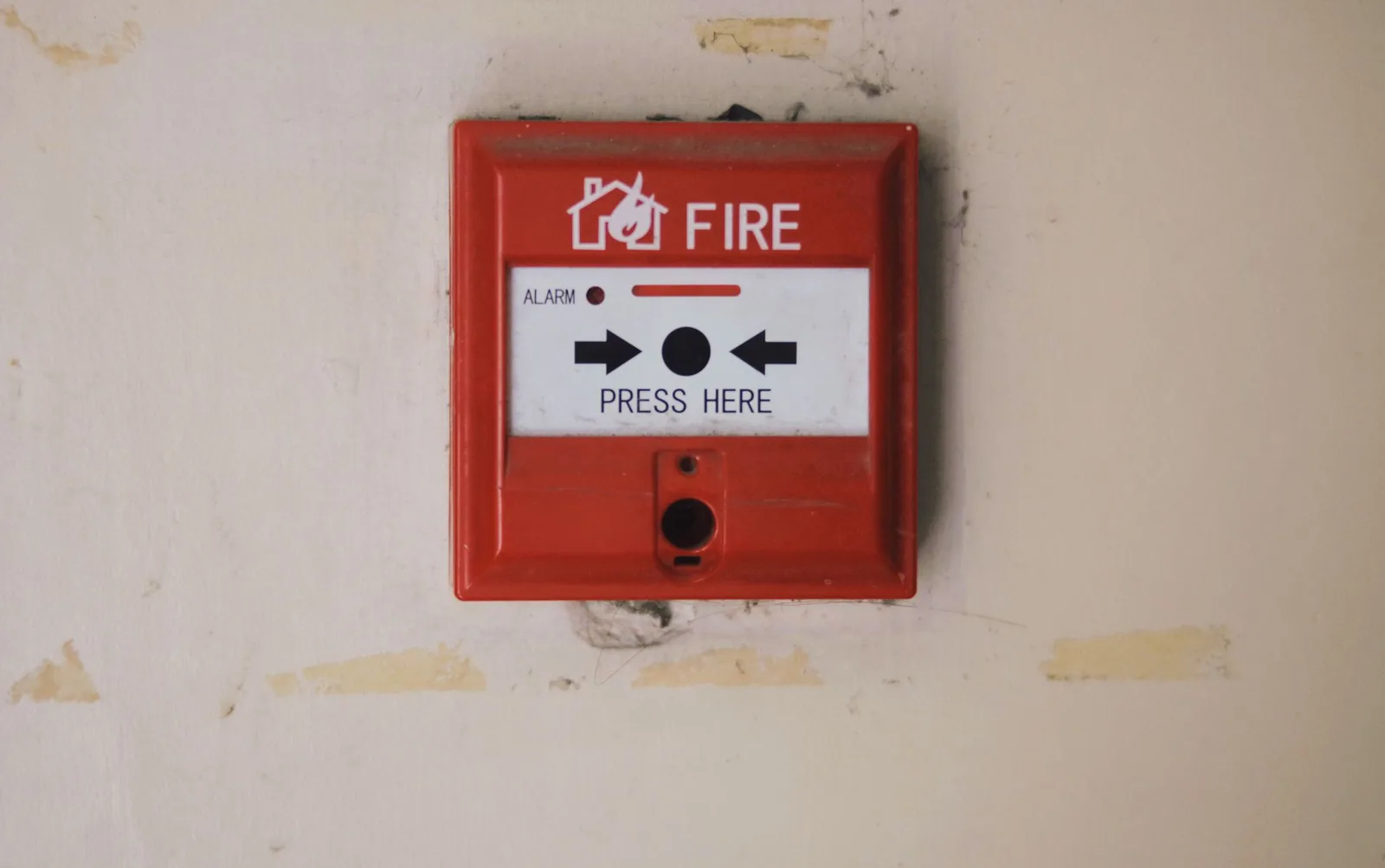
Fire alarm systems detect and notify. They do not suppress. A building can have a fully functional alarm and no suppression anywhere in it, and plenty do.
What the Fire Marshal Inspects, and How Often
Installing the system is the short part. Keeping it inspectable is the obligation that follows, and the schedule comes from the standard that governs your system type:
- Kitchen wet chemical systems: semi-annual service under NFPA 17A, including fusible link replacement and a check that the hood, ducts, and appliance line still match what the nozzles were aimed at when the system was designed.
- Water-based systems, meaning sprinklers, standpipes, and fire pumps: the quarterly, annual, and 5-year cycle in NFPA 25.
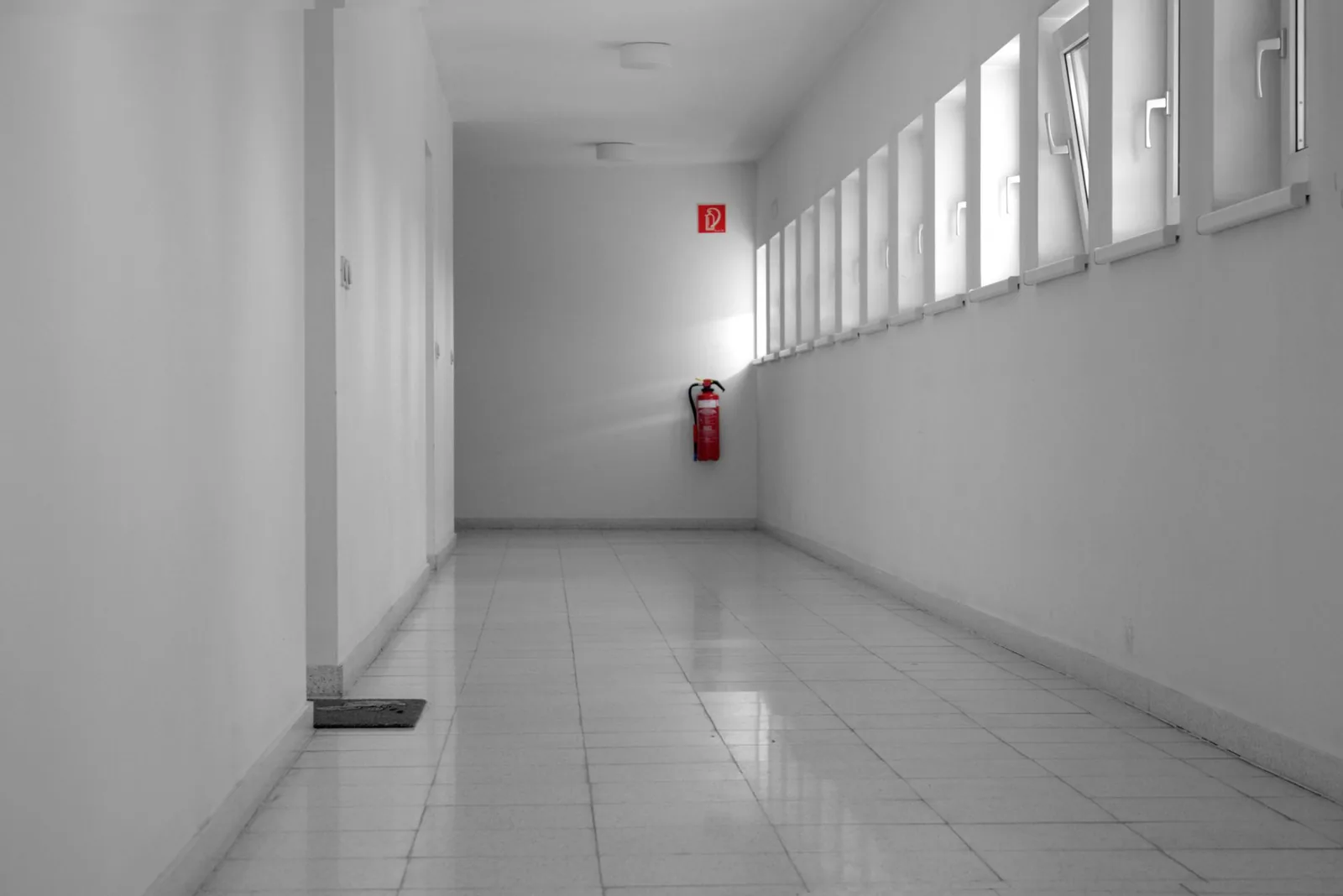
- Portable extinguishers: a monthly visual check, which is the building owner's own job under NFPA 10, plus annual certification by a licensed firm.
- Fire alarm: annual testing under NFPA 72, with some visual items semi-annual depending on occupancy.
Most failed inspections are not dramatic. A fryer gets moved during a kitchen remodel and no longer sits under a nozzle. A sprinkler head gets painted over. Storage creeps within 18 inches of a head. Service documentation goes missing, which a fire marshal treats the same as no service at all. Texas licenses the firms that do this work through the State Fire Marshal's Office at the Texas Department of Insurance, and that paper trail is part of what you are paying for. Our kitchen fire suppression service exists for exactly that reason.
When You Do Not Need a New Suppression System
A quote for full replacement is sometimes the honest answer and sometimes a reflex. Repair or partial work usually covers it when:
- The system trips falsely. That is normally a dirty or failing detector, not a design problem.
- The panel shows trouble. Batteries, a ground fault, and a failed module are all repairs.
- You remodeled one area. Relocating a nozzle or adding a few heads brings the existing system back into compliance.
- The system is old but tests clean. Age by itself is not a deficiency. NFPA 25 sets specific testing and replacement milestones for sprinklers, and those are the trigger, not the calendar.
Replacement is genuinely required when the occupancy classification changes, when a renovation goes beyond what the existing system can cover, or when the AHJ orders it. Those are the cases worth spending on, and we will tell you which one you are in before any work starts.
Getting the Right System Specified for Your Building
The right system comes out of the building, not a catalog. What you cook, what you store, how the space is heated, what a discharge would ruin, and what your occupancy classification requires all narrow the choice before anyone prices hardware.
We are commercial-only, and we have been working on buildings across the San Antonio area for over 25 years. That includes CaptiveAire factory certification for CORE and TANK kitchen systems and factory training on the Ansul R-102 that sits over most restaurant lines in this market. Request an inspection or give us a call, and we will look at what is installed, tell you whether it still matches the building, and put what it needs in writing.
Frequently Asked Questions
What is a fire suppression system?
A fire suppression system is any fixed, automatic system that detects a fire and discharges an agent to control or extinguish it without a person operating it. Sprinklers, kitchen hood systems, and clean agent systems are all fire suppression systems. A fire extinguisher is not, because someone has to pick it up and use it.
How do fire suppression systems work?
They detect, then discharge. A heat sensor, smoke detector, or fusible link signals the panel or mechanical release, which opens the agent within seconds. The agent stops the fire by cooling it, by displacing the oxygen feeding it, or by interrupting the combustion reaction itself, depending on the system type.
What is the difference between a fire suppression system and a fire sprinkler system?
Sprinklers are one type of fire suppression system, not a separate thing. Fire suppression is the umbrella term covering sprinklers, wet chemical kitchen systems, clean agent, foam, CO2, and dry chemical. When a bid or a code letter says suppression, check which specific system it means before comparing prices.
What is used in industrial fire suppression systems?
It depends entirely on the hazard. Foam and dry chemical handle flammable liquids like fuel storage and oil field equipment. Clean agent and CO2 protect machinery and electrical rooms where water would cause a second loss. Dry pipe sprinklers cover unheated warehouses and loading docks that would freeze a wet system.
How often does a fire suppression system have to be inspected?
The schedule comes from the standard governing your system type. Kitchen wet chemical systems are semi-annual under NFPA 17A. Water-based systems including sprinklers follow the quarterly, annual, and 5-year cycle in NFPA 25. Portable extinguishers need a monthly visual check plus annual certification under NFPA 10.
Are fire suppression systems required by code?
For most commercial occupancies, yes, though what is required varies by building type, size, and what happens inside it. A commercial kitchen with cooking appliances producing grease-laden vapor needs a hood suppression system. Your local fire marshal, the authority having jurisdiction, confirms exactly what your building requires.