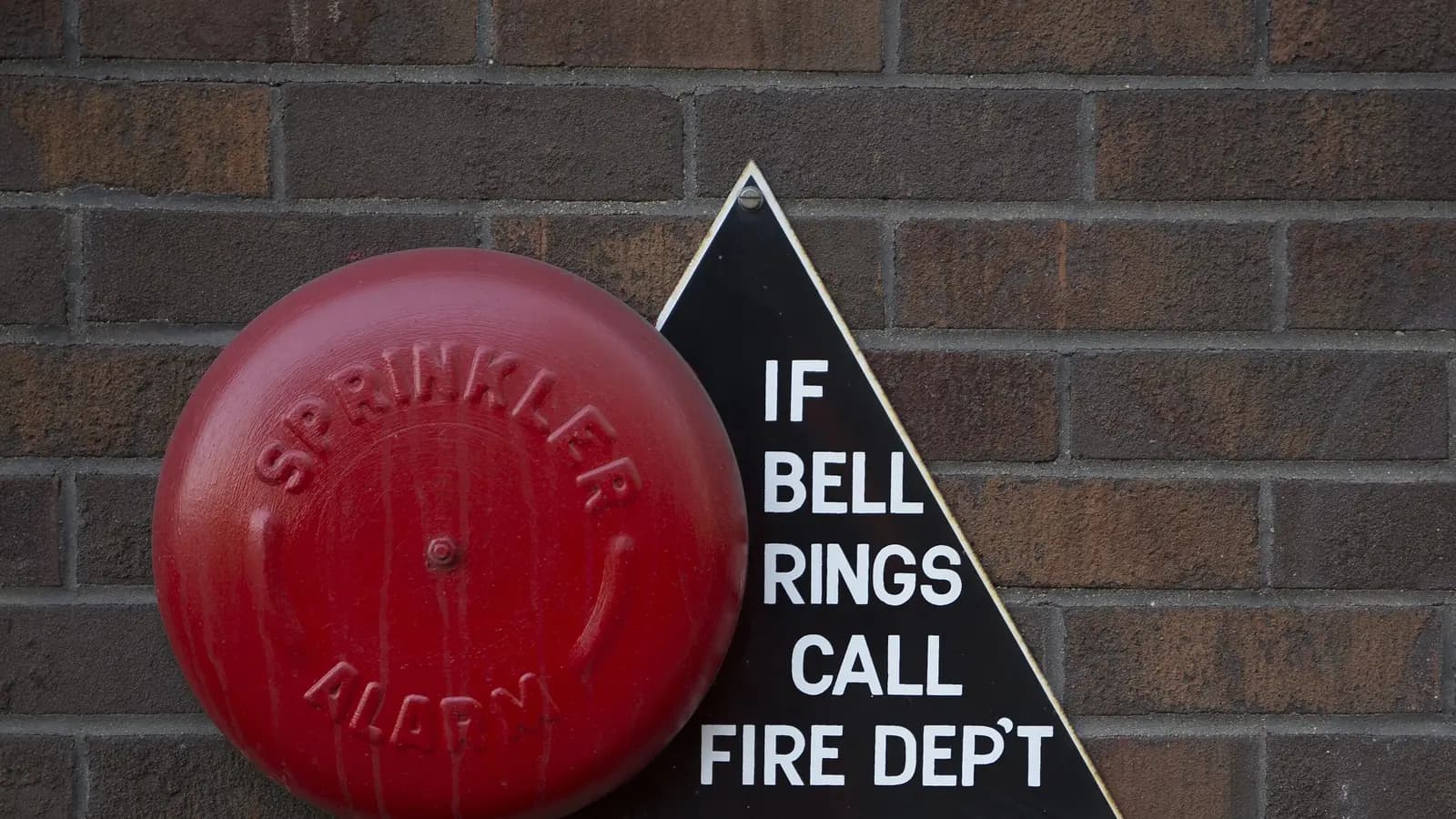
A fire watch gets ordered when a building's built-in fire protection goes down and cannot be fixed fast: a sprinkler system out of service, a fire alarm impaired, hot work with nearby combustibles, or an event the fire marshal decides needs extra eyes. It means a trained person patrols the affected area on a set interval, keeps a signed log, and stays until the system is restored and tested back into service.
Here is what actually triggers one in Texas, what the patrol and the paperwork have to cover, and how it ends.
What makes the fire marshal order a fire watch?
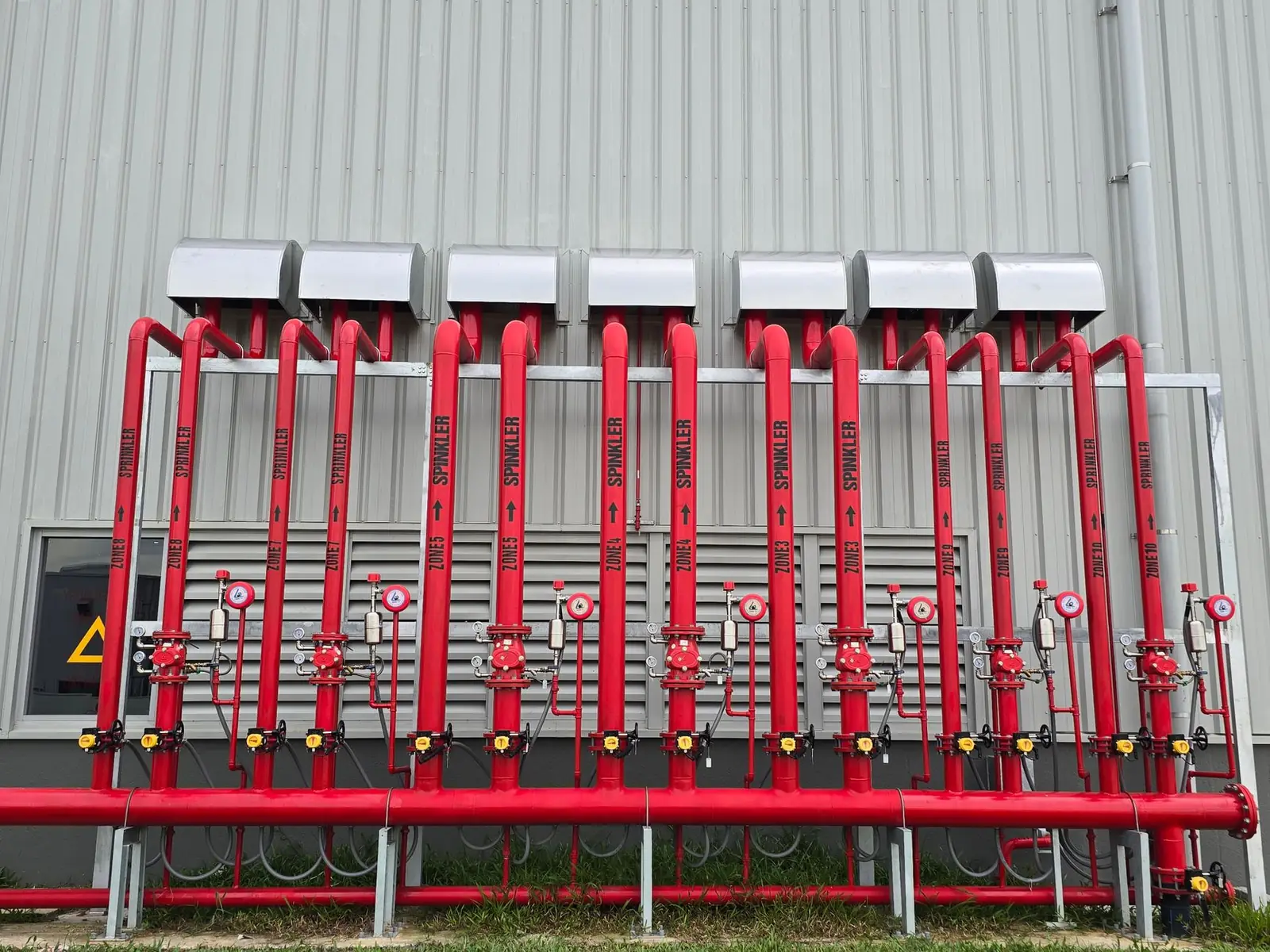
Four situations cover almost every fire watch order: a sprinkler system down for repair or inspection failure, a fire alarm system impaired, hot work like welding or cutting near combustibles, and a temporary condition at an event or construction site that the AHJ, the authority having jurisdiction, decides is a risk. In each case the logic is the same: the building's automatic protection cannot do its job right now, so a person has to do it manually until that protection comes back.
Texas enforces this through the fire code each city adopts, not a single statewide rule, so the exact trigger and the paperwork an AHJ wants can differ between San Antonio, New Braunfels, and a neighboring county. The underlying standards, NFPA 25 for sprinklers and NFPA 72 for alarms, are the same; how strictly a local fire marshal applies them is not always identical.
How long can a sprinkler system be impaired before a fire watch is required?
NFPA 25 treats a sprinkler impairment that runs past 10 hours in any 24-hour period as an emergency, and that threshold is what most Texas AHJs use to order a fire watch for whatever area lost coverage. The clock does not care whether the outage is one long repair or the system going down twice in the same day; impairment time adds up.
This is also why the impairment notification step that comes with any sprinkler shutdown matters on its own, before a fire watch ever enters the picture. The building owner, the fire department, and the monitoring company all need to know the system is down the moment it goes down, not after the fact.
How long can a fire alarm be down before a fire watch is required?
Most Texas AHJs apply NFPA 72's impairment provisions on a cumulative basis: once a required fire alarm system has been out of service for 4 hours total within a 24-hour period, a fire watch gets ordered for the areas it covers. Short outages still count toward that total, so a panel that drops for two hours in the morning and two more in the afternoon has crossed the line even though neither stretch looked serious on its own.
AHJ notification is a separate, earlier step. A fire marshal expects to be told about an alarm impairment well before the 4-hour mark, not just once a fire watch becomes necessary.
Is a fire watch required for hot work?
Yes, when the hot work permit or the AHJ orders one because of combustibles within roughly 35 feet or other site conditions. The watch covers that radius while cutting, welding, or grinding is actually happening, and it does not end when the torch does. A post-work watch, commonly at least 60 minutes, stays in place afterward because a smoldering fire from slag or sparks does not always show itself right away.
A hot work permit is its own piece of paperwork, separate from a sprinkler or alarm impairment, but the fire watch requirement inside it works the same way: patrol, log, and a defined end condition.
What does a fire watch actually involve?
A dedicated person, with no other job duties for the duration, patrols the affected area on the interval the AHJ or the permit sets, commonly every 30 minutes. That person carries a way to reach the fire department, knows how to use an extinguisher and sound the building alarm, and is watching specifically for the hazard the watch exists to cover, not doing rounds as a side task while answering phones or running equipment.
This is also where "fire watch" and "security guard" stop being interchangeable. A guard watching for break-ins is not automatically qualified or assigned to watch for fire conditions; the AHJ wants someone trained for this specific job, even if that training takes an afternoon rather than a certification course.
Who can stand a fire watch?
A trained employee, a contracted guard service, or an off-duty firefighter can all do it, provided the person meets a few baseline conditions most AHJs apply: at least 18 years old, trained on what to look for and how to report it, physically able to walk the full patrol route, free of any other concurrent duties, and carrying a working communication device. Some Texas AHJs want to see proof of that training on request, so a verbal assurance that "someone is covering it" tends to get questioned at the annual inspection or during a spot check.
What has to be in the fire watch log?
A timestamped record: when the watch started, who is covering it, each patrol round with the time and the area checked, any conditions observed, and the time and reason the watch ended. An AHJ reviewing a gap-filled or missing log treats it the same as a watch that never happened, which is the single most common way a fire watch fails an inspection after the fact.
How does a fire watch end?
Not when the repair crew packs up. The watch continues until the sprinkler or alarm system is restored, tested, and confirmed back in full service, the same confirmation step a return-to-service or annual test produces. For hot work, it ends after the required post-work period passes with no sign of a lingering fire. In every case, the system or the work, not the clock on the watch itself, decides when it is over.
What this means for whoever is covering the gap
A fire watch is a stopgap, not a fix. The fastest way out of one is getting the impaired system repaired, tested, and signed off, which is also the step that actually restores the building's protection rather than just satisfying the order on paper. If a sprinkler impairment put you here, our fire sprinkler inspection and repair service gets the system back to a documented, tested state the AHJ will accept. If it was a fire alarm, our fire alarm service does the same for panel, device, and monitoring issues. We coordinate directly with the AHJ on the restoration test, which matters more than it sounds like it should when the fire marshal's sign-off is the only thing standing between you and the end of the watch.
If you are not sure whether a current impairment has crossed the threshold that triggers a fire watch, or you need the system tested back into service to end one already running, request an inspection and we will tell you where you stand in the same-day report.
Frequently Asked Questions
How many hours can a sprinkler system be out of service before Texas requires a fire watch?
NFPA 25 treats an impairment that passes 10 hours in any 24-hour period as an emergency, which is the trigger most Texas AHJs use to order a fire watch for the unprotected area. The watch runs until the system is repaired, tested, and confirmed back in service, not just until the repair crew leaves.
How long can a fire alarm be down before a fire watch is required?
Most Texas AHJs apply NFPA 72's impairment provisions on a cumulative basis, meaning a fire watch is ordered once a required fire alarm system has been out of service for 4 hours total within a 24-hour period, even if the outage happened in short stretches rather than one continuous block.
Who is allowed to perform a fire watch?
A trained employee, a contracted guard, or anyone else the AHJ accepts can stand a fire watch, as long as that person is at least 18, trained on what to look for and how to report it, free of any other job duties during the watch, and carrying a way to reach the fire department. Most AHJs want to see proof of that training before they treat the watch as satisfying the order.
How often does fire watch personnel have to patrol the building?
The permit or the AHJ's order sets the interval, but every 30 minutes through the areas no longer protected is the common baseline, with hot work sometimes patrolled more tightly while the work is actually underway. There is no single number that applies to every situation, which is exactly why the order spells it out.
What does a fire watch log have to include?
A timestamped record of when the watch started, who is covering it, each patrol round with the time and area checked, any conditions found, and the time and reason the watch ended. A fire marshal reviewing an incomplete log treats it the same as if the watch never ran.
Does a fire watch end automatically once the sprinkler or alarm system is repaired?
No. The watch continues until the system is restored, tested, and signed off as back in full service, which is a separate step from the repair itself finishing. That sign-off is the same test documentation a return-to-service or annual inspection produces.
Is a fire watch required for hot work like welding or cutting?
Yes, when the hot work permit or the AHJ calls for one because of nearby combustibles or site conditions. The watch covers roughly the 35-foot hot work area while the work is active and continues afterward, commonly for at least 60 minutes, to catch a smoldering fire the work left behind.