A new restaurant in San Antonio cannot open to the public until the San Antonio Fire Department signs off on every fire protection system in the space: the fire alarm, any sprinkler coverage the building requires, the kitchen hood suppression system over the cook line, and the extinguishers on the wall. That sign-off is part of the fire final inspection, and it has to pass before the city will issue the certificate of occupancy. No passing fire inspection, no CO, no legal opening, not even a soft opening or a friends-and-family night.
One review of our technician summed up what that day on site usually looks like: "N8's technician Scott. He is professional, friendly and an excellent communicator." A new restaurant typically sees more than one inspection before it opens, one visit for the kitchen system, another for the alarm and sprinkler side, and knowing what each one checks keeps the walk-through from feeling like one more hoop between you and opening day.
What fire protection systems does a new restaurant need inspected before it can open?
Four systems, depending on what the kitchen cooks and how the building is classified:
- Kitchen hood suppression (NFPA 17A): required over any cooking equipment that produces grease-laden vapors, inspected and tagged before the hood goes live.
- Fire alarm (NFPA 72): sized to the occupancy, tested, and tied into monitoring before the final inspection.
- Sprinkler coverage (NFPA 25): required by the building's size or occupancy classification in most commercial spaces, tested and tagged.
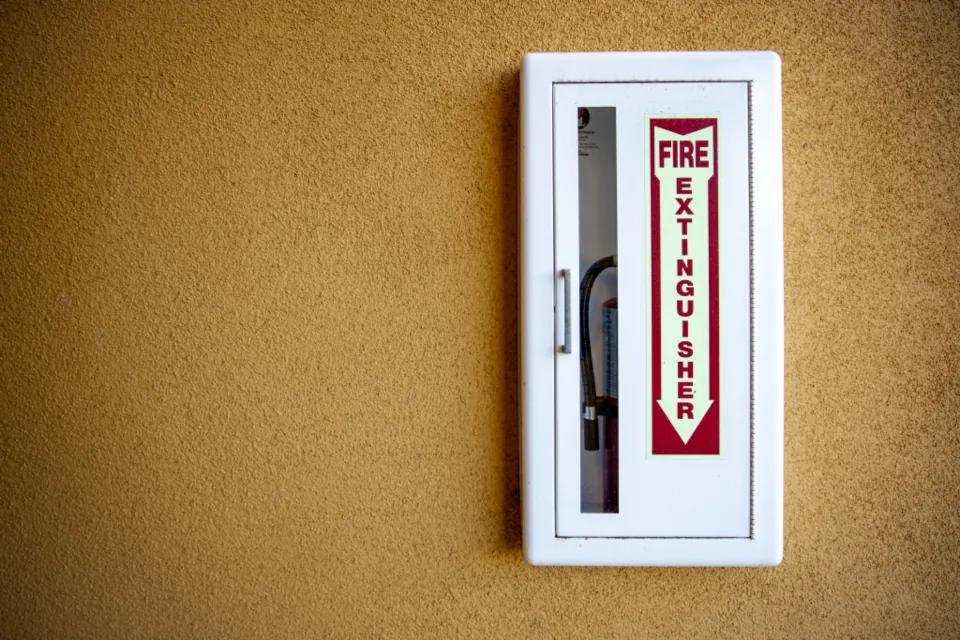
- Portable fire extinguishers (NFPA 10): placed, rated for the hazard, and tagged at installation.
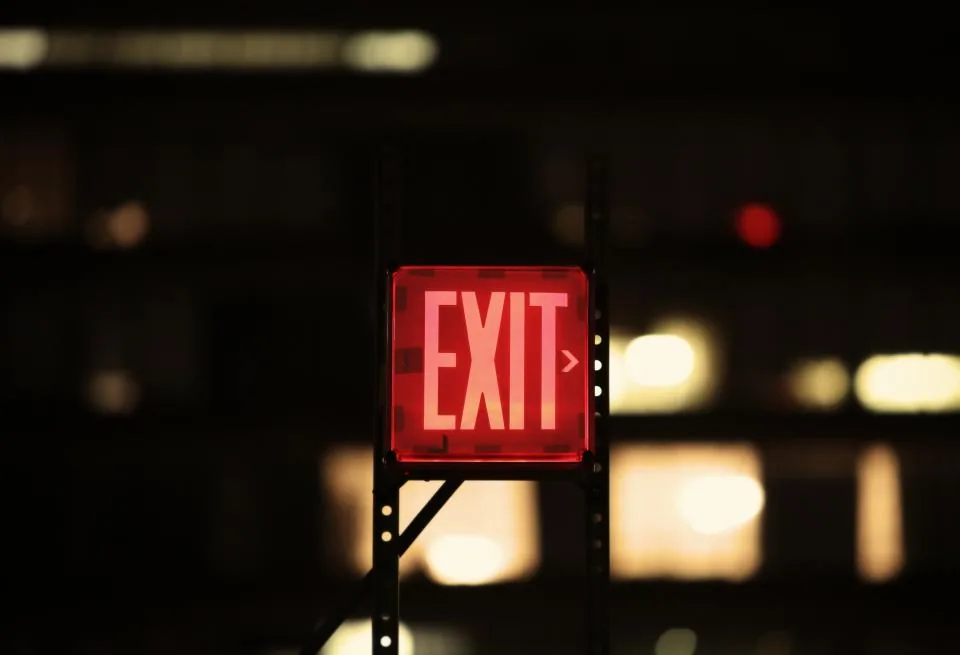
Exit signage and emergency lighting (NFPA 101) get checked at the same visit. None of these are optional line items a restaurant can add later; a missing or untested system is the single most common reason a pre-opening inspection does not pass on the first visit.
How does San Antonio's fire inspection and certificate of occupancy process work?
The owner or the build-out contractor schedules the fire inspections directly with the San Antonio Fire Department, and the city asks for at least 24 hours' notice. A new restaurant typically goes through a Fire Facility Inspection during build-out and a Fire Final Inspection once the space is complete, the one that confirms the fire alarm, sprinkler coverage, and any fire lines and hydrants serving the building are all in place and working. That final inspection, along with the building, electrical, plumbing, and health inspections, has to be approved before the certificate of occupancy is issued.
A restaurant moving in appliances, furniture, and staff before that formal sign-off can sometimes get a temporary certificate for the move-in and training period, but that is not permission to serve the public, and it does not waive any life safety system. The city's paperwork runs on a lot of initials for one folder, CO, SAFD, AHJ, and none of them care whether you know what they stand for, only whether the systems behind the initials are ready when the inspector asks.
Why does the kitchen hood suppression system hold up more restaurant openings than anything else?
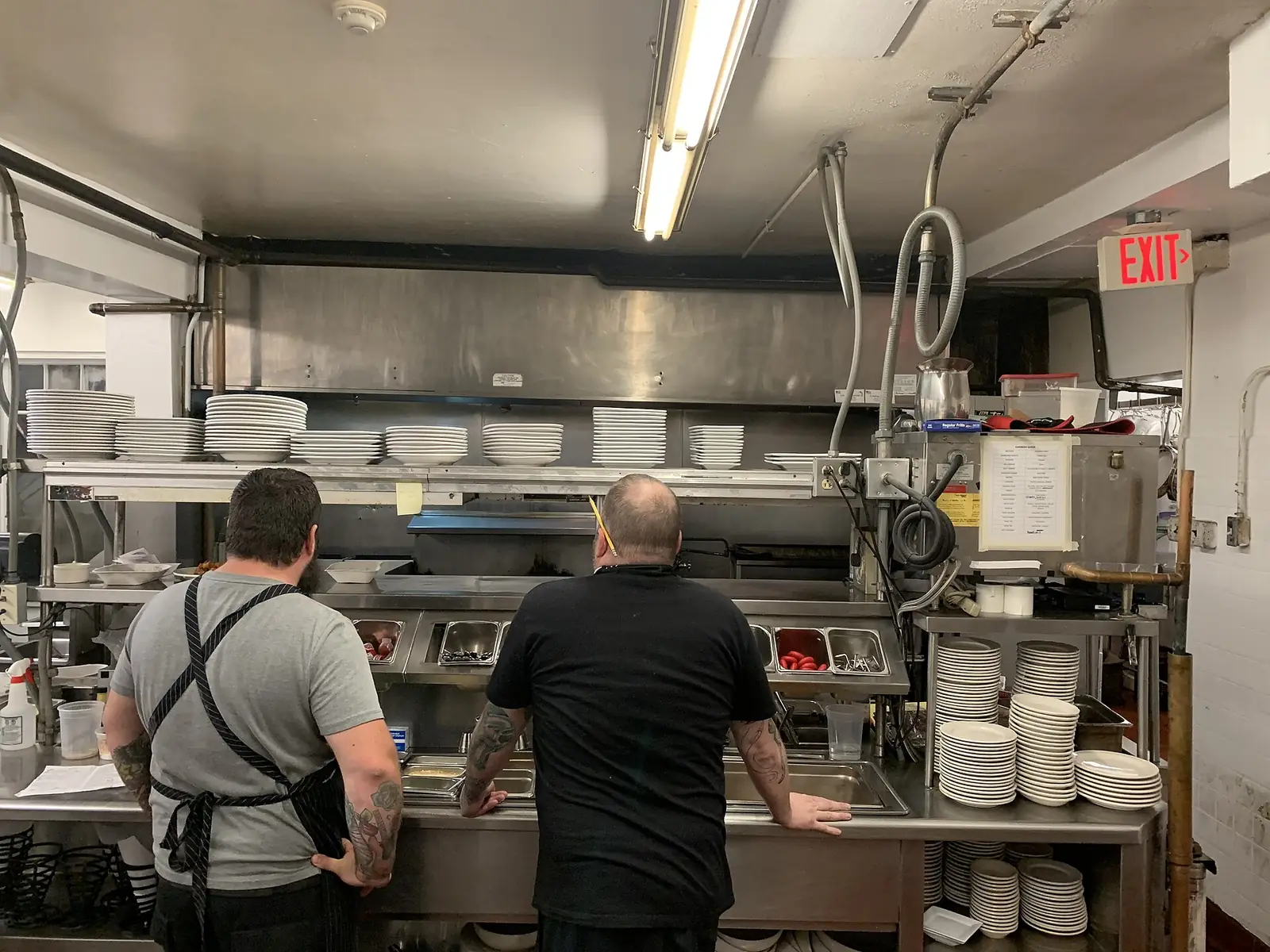
Because it is not a system you install and forget. NFPA 17A treats the hood, the suppression system, and the cooking equipment underneath it as one designed unit, and a change to the menu or the equipment layout after that design is set, a fryer added where a flattop was planned, a char-broiler moved down the line, can mean redesigning the nozzle coverage before the system will pass. A restaurant that fails its pre-opening inspection because the hood suppression system has not been installed or serviced cannot open, not for a soft opening, not for a friends-and-family night, until it does.
A fire suppression call in our own service history is almost always a restaurant hood system, which is why we are CaptiveAire Factory Certified for both CORE and TANK system installs and factory-trained on Ansul R-102, the system in most local restaurant kitchens. The fix for a design mismatch found late is almost always a delay, not a redesign on the fly, so locking in the kitchen equipment layout before the suppression system is designed saves the most time of anything on this list. See our kitchen hood suppression system page for what a service visit covers once the restaurant is open.
When should a new restaurant schedule its fire alarm and sprinkler inspections?
During build-out, not the week the lease requires the doors to open. Both systems get checked twice, once at rough-in and again at the fire final inspection, and a system that fails the rough-in check needs time to be corrected before the final visit. Restaurants that schedule the rough-in inspection as late as possible are the ones calling for an emergency re-check with the opening date already printed on the menus.
What fire extinguisher requirements apply on day one?
A technician holding a fire extinguisher license from the Texas State Fire Marshal's Office places extinguishers rated for the hazard, a Class K unit near the cook line in addition to the general-hazard units elsewhere, and tags them at installation under NFPA 10, before the final inspection. That is the only certification a new restaurant needs on opening day. The annual recertification does not start until the following year; the monthly visual check, confirming the gauge, the pin, and the tag are all where they should be, becomes the owner's own job from day one, the same job it is for every restaurant we serve after they open. See our fire safety inspections page for how that annual visit works once the restaurant has been open a year.
What happens if the fire marshal finds a problem during the pre-opening inspection?
The deficiency has to be corrected and the space re-inspected before the certificate of occupancy is issued, the same correction-and-reinspection process that applies to a restaurant that fails its annual inspection once it is already open, just earlier in the business's life. For the fee, the timeline, and what a correction notice actually requires, see our guide on what happens if a business fails a fire inspection in San Antonio.
Scheduling the kitchen suppression and alarm inspections early in build-out, before the equipment layout is locked in and before the lease deadline is the only thing driving the calendar, is what keeps a new restaurant's fire inspections off the list of things holding up its certificate of occupancy. If you are opening a restaurant in San Antonio and need the kitchen hood suppression system or the fire alarm and sprinkler side designed, installed, or inspected, request an inspection or give us a call.
Frequently Asked Questions
Does a new restaurant need a fire inspection before it can open in San Antonio?
Yes. The San Antonio Fire Department has to complete a fire final inspection confirming the fire alarm, any required sprinkler coverage, the kitchen hood suppression system, and the extinguishers are installed and working before the city issues a certificate of occupancy. A restaurant cannot open to the public, not even for a soft opening, without that sign-off.
What is a temporary certificate of occupancy, and can a restaurant use one to open early?
A temporary certificate lets an owner move in equipment, tables, and chairs and train staff before the formal certificate of occupancy is issued. It is not permission to serve the public, and the life safety systems, including the fire alarm and any required sprinkler coverage, still have to be in place before the city will consider it.
Does every new restaurant need a kitchen hood suppression system?
Any cooking equipment that produces grease-laden vapors, fryers, grills, char-broilers, needs a hood with a suppression system meeting NFPA 17A before it can be used. A coffee shop with no grease-producing equipment may not need one; a kitchen with a flattop or a fryer will.
When should a new restaurant schedule its fire alarm and sprinkler inspections?
During build-out, not the week before opening. Both systems are checked at rough-in and again at the fire final inspection, and a system that fails the rough-in check needs time to be corrected before the final, time a restaurant on a lease deadline rarely has to spare.
Who inspects a restaurant's fire extinguishers before opening?
A licensed fire extinguisher technician places, rates, and tags the extinguishers under NFPA 10 before the final inspection. After opening, the monthly visual check becomes the owner's job; the annual certification stays the technician's, starting the following year.
What happens if the pre-opening fire inspection finds a problem?
The deficiency has to be corrected and the space re-inspected before the city will issue the certificate of occupancy, the same correction-and-reinspection process that applies to an operating business that fails its annual inspection, just earlier in the restaurant's life.